Dermatographism Symptoms
Visit this
PICTURES OF RASHES PAGE
Dermatographism symptoms can appear at any age, but is more common in young adults. Individuals in their 20s or 30s are most often affected.
All body surfaces can be affected by this skin condition. The most common body areas to be affected are the trunk of the body (back, chest, abdomen), buttocks, and face. Arms and legs may also be involved, but the scalp and genitalia areas less frequently.
By being aware of the various dermographism symptoms, an individual can determine whether or not they have dermatographism or dermographism.
Raised Red Skin Welts
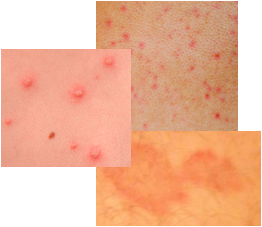
This skin condition is characterized by the appearance of raised patches of skin or red skin welts or welts and redness. What makes this condition unusual in appearance is that the welts are in the pattern of the force applied to the skin.
For example, if a blunt object is used to write or draw something on the skin simply by the use of pressure, the writing will appear on the surface of the skin as raised letters. If the skin is lightly scratched, the raised areas will be in the pattern of the scratching. Accompanying the raised skin areas is very itchy skin prior to the welts, while the welts are forming, and while the hives or welts are present.
Other dermatographism symptoms are skin redness and possibly the appearance of small red bumps. Often the individual with dermographism gets up in the morning with red marks all over the face and other body parts. Also, drying off with a towel after bathing can lead to read marks on the skin, especially in the facial area.
Itchy and Burning Skin
A constant characteristic of this skin condition is that one minute the individual may be perfectly fine and the next the skin becomes itchy and it is often a burning skin itch. This causes the individual to scratch (sometimes without noticing that he/she is doing it) and this results in the other dermatographism symptoms appearing. The welts usually develop within five minutes of the stroking of the skin surface. The dermatographism symptoms persist for 15 to 30 minutes and sometimes a bit longer and then subside without a treatment. Many such episodes may occur in one day and rarely does the individual go a full day without at least one out-break of symptoms.
Visit our pictures of skin rashes page for more information.
Pressure and Friction on the Skin Cause Symptoms
Not a lot of pressure is required to trigger the dermographism symptoms. Sometimes, simply rubbing the face lightly with a finger will cause the flare-up of a red itchy raised patch of skin. This is very noticeable and can cause embarrassment and stress for the affected individual. Greater amounts of applied pressure to the skin will produce more dramatic dermatographism symptoms.
Objects that create friction on the skin such as tight fitting clothing, wristwatches, belts, and even eye glasses where they contact the skin, can all trigger the dermatographism symptoms.
In 25-50% of people, firm stroking does produce more than the normal amount of skin redness. However, welts are not present and neither is excessive itching. Approximately, 2-5% of individuals will experience the full symptoms of dermatographism.
Dermatographism Diagnosis
A dermatologist diagnoses the condition by focusing on the key symptoms of dermatographism and questioning the patient’s history. The dermatologist uses a wooden tongue depressor and runs it down the patient’s back using mild to moderate force to see if a welt develops within a few minutes. The back is normally used rather than the arms or any other body part because it is more sensitive. The back area of the body tends to be more protected from day-to-day pressure exposure and environmental influences. A dermatographometer or dermographometer, which is simply a spring-loaded stylus can be used in the diagnosis. This instrument applies graded and reproducible pressure to the skin and is mainly used in clinical studies or to diagnose if the dermatographism is mild, moderate, or severe.
Summary of Dermatographism Symptoms
- friction (even light) applied to the skin causes raised skin
- raised skin or welts form in the shape of the applied pressure or friction
- itchiness and skin redness are present
- welts appear within 2 to 5 minutes of the friction being applied to the skin
- symptoms generally last for 15 to 30 minutes
- trunk and face are most often affected
- several episodes a day are the norm
Do You Have A Question About Dermographism?
If you have a question about dermographism and would like that question answered by an actual sufferer of this skin hives condition, then please ask the question in the box below. Our resident dermatographism sufferer may not have all the answers, but he can pass along his experience in dealing with this skin problem which may help you in your battle with this skin condition.
Past Questions and Answers on Dermographism
Click below to see questions from other visitors to this page...
Wearing Glasses Flares Dermatographism
Question
Is there anything I can do to prevent my glasses causing the demographic flaring up? I either can see or be in pain. I have tried contacts but …
Dermatographism and Heartburn, Allergies, and Fatigue
I first started experiencing the pressure related welts and subsequent hives about six months ago, and was diagnosed with dermatographism after figuring …
Scratching Her Face
My three year old grand daughter (I have custody of the child) has been diagnosed with Dermographia or Dermatographism. It took a while but we finally …
Skin Welts Form With Light Pressure
When I lean against something for an extended period of time, it usually leaves an indentation, right? Well, in my case, instead of the indentation just …
Itchy Dermatographism with No Welts
My doctor recently diagnosed me with dermagraphism even though I don't get the welts. I typically get itchy randomly throughout the day. I typically get …
Allergist or Dermatologist for Skin Welts
My daughter has had strange welts that appeared a few months ago, lasted a few days, and then were gone. Since that time she would have one or two welts …
Red Skin Marks with no Skin Welts
My 19 year old son was diagnosed with dermographism by a dermatologist. After having researched this condition, I personally feel that he does not have …
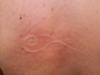
Raised Skin Welt in a Distinct Pattern
My father woke up one morning with a raised skin welt pattern on his back. I have attached a picture to illustrate the effect on the skin that I am talking …
Itching Scratching and Welts at Night
My husband has these exact dermatographism symptoms but he only gets them at night? He gets itchy then starts scratching and then the welts show up exactly …
Hives Treatment or Natural Cure for Hives
I am looking for a hives treatment or a natural cure for hives. I was diagnosed with dermatographism about two years ago. At first I did not know why …
Raised Welts and Itchiness on Hips Back and Arms
After not taking my Zyrtec for a day, I wake up with welts on the side of my hips, back and sometimes arms, and my lips swell up and get puffy. Does this …
Dermatographism Skin Condition - A Variety of Skin Symptoms
Does the patient also experience altered sensations like melting, tightening, crawling, twisting, etc., underneath the skin? My mother has been diagnosed …
Allergic Reaction and Breathing Issues with Dermographism
I have recently developed dermographism and have noticed when I have a severe episode of itching and burning and red flare ups on my skin I also become …
Emotional Stress and Dermographism Skin Condition
My life changed dramatically about a year ago. My husband and I moved in with his elderly parents and severely disabled sister, to become their caregivers. …
Cure for Hives and Itch Other Than Antihistamines
I am a 43 year old female and have had this now for about 2 years. I am on 4 different antihistamines a day and it's still not helping. I get it so bad …
Scalp Itching Caused By Dermographism
I have all the classic symptoms of Dermographism on my back and arms and some places on my legs. But I also have severe itching on my scalp and I can …
Natural Remedies and Cures for Dermatographism
Do you know of any natural remedies to treat Dermographism?
Usually the best and most effective treatment for dermatographism is the use of antihistamines. …
Chantix Rash Hives and Dermographism
I began to develop a rash one week after taking Chantix. I immediately stopped but it has been four weeks and I still have the hives, itching, and rash. …
Red Itchy Hot Swollen Skin Patches
I have been experienceing skin issues for over 7 years now. Doctors have not made a definite diagnosis but they range from allergies to fibromyalgia. …
Red Marks with No Skin Swelling
What are the main causes of someone having dermographism? I have never experienced this problem until I was getting married. About 3-4 months before the …
Conditions of Dermographism
There is no writing on the skin when pressure is applied. When I was younger I could scratch my name into my arm and it would raise up, BUT there was …
Mild Case of Dermographism
I think this is what I have. I've been searching high and low for a similar description and this is as close as I've come. I get rashes on my skin in …
Dust Mites and Dermographism?
About a month ago my son started getting these welts on his skin and we couldn't figure out what was causing them. It would look like he just got slashed …
Dermatographism Remedies
I have noticed that my skin swells and becomes whitish after I simply apply pressure, rub against something, or if something scratches my skin. The most …
Heartburn Zyrtec and Dermographism
I have been recently diagnosed with this skin condition called dermographism. I was put on the steroid prednisone for six days and told to take Zyrtec …
Nickel Allergy Causing Hives or Dermographism
I have a feeling my dermographism was triggered by an allergic reaction. In August 2006, I got engaged and I had a ring especially designed and made in …
Other dermatographism information:
dermatographism symptoms | causes | diagnosis | treatments | pictures | dermographism diary | readers submissions | survey | survey results